
In a competitive digital landscape, the software you use can either be a powerful engine for growth or a frustrating bottleneck. Many businesses start with off-the-shelf solutions, but as they scale, they often face a critical decision: continue adapting their processes to generic software, or invest in a solution built specifically for them? This guide explores the key advantages of custom software development, helping you understand why a tailored solution provides superior scalability, security, and long-term ROI compared to off-the-shelf alternatives.
Custom vs. Off-the-Shelf Software: What’s the Difference?
Before diving into the benefits, it’s essential to understand the fundamental distinction between these two approaches. Think of it like buying a suit: you can buy one off the rack or have one custom-tailored.
- Off-the-Shelf Software (COTS): This is a pre-built, mass-market product designed to serve a broad audience with similar needs. Examples include Microsoft Office, Salesforce, or QuickBooks. It’s the “off the rack” suit-quick to acquire and functional, but it may not fit your specific dimensions perfectly.
- Custom Software: This is a unique software solution designed, developed, and implemented to meet the specific requirements of a single business. It’s the “tailored suit”-crafted to fit your exact workflows, processes, and goals, ensuring a perfect match.
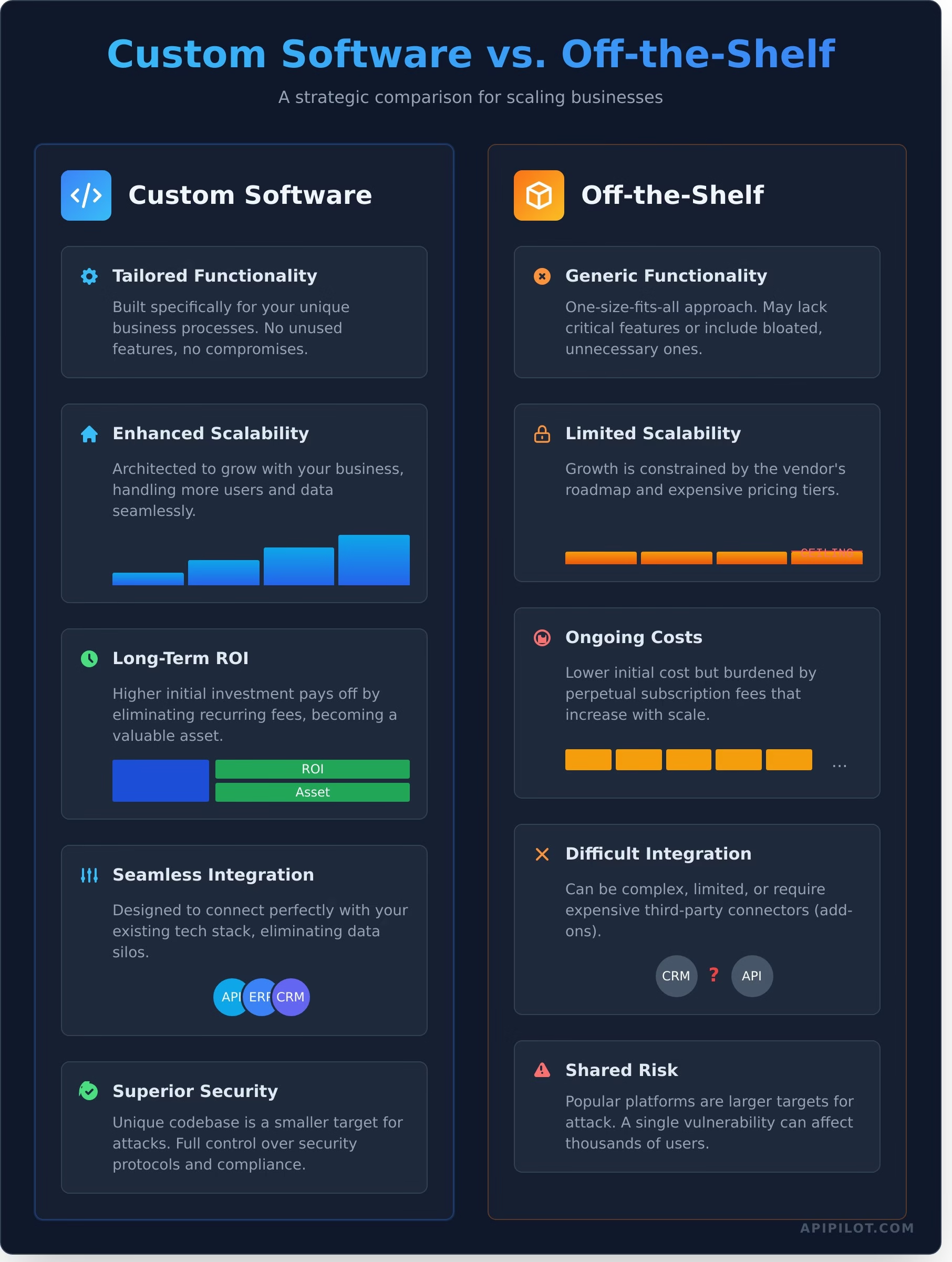
The core trade-off is often between the immediate, lower upfront cost of COTS and the significant long-term value and efficiency gains of a custom solution.
| Feature | Custom Software | Off-the-Shelf Software |
|---|---|---|
| Functionality | Built specifically for your unique processes. | Generic features for a wide audience; may lack or include unneeded functions. |
| Cost Model | Higher initial investment, lower long-term costs. | Lower initial cost, ongoing subscription/licensing fees. |
| Scalability | Designed to grow and adapt with your business. | Limited by the vendor’s development roadmap and pricing tiers. |
| Integration | Can be seamlessly integrated with any existing system. | Integration can be difficult, limited, or require costly add-ons. |
| Ownership | You own the intellectual property and source code. | You are licensing the software; you have no ownership. |
Top 10 Advantages of Custom Software for Your Business
Investing in a tailored solution is a strategic decision that delivers powerful, compounding benefits. Each advantage directly addresses common business challenges, leading to greater efficiency, growth, and a stronger competitive position.
1. Tailored to Your Exact Business Needs
The most significant advantage of custom software is that it works exactly how you do. Instead of forcing your team to adapt its workflow to the limitations of a pre-built application, the software is designed around your established, successful processes. This eliminates paying for unnecessary features that clutter the interface and confuse users, while directly solving unique operational problems that generic software simply cannot address.
2. Enhanced Scalability and Flexibility
Off-the-shelf software can hit a ceiling. As your business grows, you may find that your COTS solution can’t handle increased user loads, data volume, or new functional requirements. Custom solutions, however, are built with scalability in mind. They are architected to grow with your business, allowing you to easily add new features, integrate new services, or accommodate more users without being locked into a vendor’s restrictive pricing tiers.
3. Increased Efficiency and Productivity
Custom software is an efficiency multiplier. By automating repetitive tasks specific to your operations, you free up your team’s valuable time to focus on high-impact work. Centralizing data and processes into a single, cohesive system eliminates the need to jump between multiple applications, reducing errors and saving time. Because the interface is designed for your team, training time is minimized, and user adoption is significantly higher.
4. Superior Security and Data Control
Generic software is a larger target for security threats because a single vulnerability can affect thousands of companies. Custom software, being unique to your organization, is a much less attractive target. More importantly, you have complete control over the security protocols and can implement robust measures tailored to your specific data and compliance needs, ensuring you meet industry-specific regulations like HIPAA or GDPR.
5. Seamless Integration with Existing Systems
Businesses rarely rely on a single piece of software. A major challenge with off-the-shelf products is getting them to communicate effectively with your other critical tools. Custom software is built to integrate perfectly with your existing tech stack. Custom APIs can connect disparate systems, eliminating data silos and the need for error-prone manual data entry, creating a unified and efficient operational environment.
6. Long-Term Cost-Effectiveness (Higher ROI)
While the initial investment for custom software is higher, it often proves more cost-effective in the long run. There are no recurring license fees that escalate as your team grows. Consider this: a company paying $5,000 per month in subscription fees for three different tools is spending $60,000 per year. A custom solution with a $100,000 upfront cost could pay for itself in under two years, after which it becomes a valuable, cost-free asset that continues to drive efficiency.
7. Full Ownership and Intellectual Property
When you invest in custom software, you own it. The source code and intellectual property belong to your company, making it a tangible business asset. This gives you the freedom to modify, extend, or even license the software to others if you choose. You are not building your processes on rented land; you are constructing a valuable asset on property you own outright.
8. Unmatched Competitive Advantage
Using the same off-the-shelf software as your competitors means you’re limited to the same workflows and capabilities. Custom software allows you to innovate. You can develop unique features, streamline operations in ways others can’t, and deliver a superior customer experience through a purpose-built platform. This technological differentiation becomes a powerful and sustainable competitive advantage.
9. Dedicated, Personalized Support
When you encounter an issue with off-the-shelf software, you’re directed to a generic help desk that serves thousands of other customers. With a custom solution, you have access to a dedicated support team that built the software and knows it intimately. This leads to faster, more effective problem resolution, and any ongoing maintenance or updates can be scheduled and implemented according to your business needs, not a vendor’s timeline.
10. Independence from Software Vendors
Relying on a third-party vendor puts your business at their mercy. They can raise prices, change their terms of service, or even discontinue the product, leaving you scrambling for a replacement. With custom software, you are in complete control. You dictate the development roadmap, prioritize new features, and are never at risk of a critical tool disappearing overnight.
Is Custom Software Always the Right Choice? Key Considerations
To build trust and make an informed decision, it’s important to acknowledge that custom development isn’t the perfect fit for every situation. The decision to build versus buy should be based on a careful analysis of your budget, timeline, and the complexity of your needs.
Upfront Investment and Budget
There’s no question that custom software requires a significant initial capital investment. This must be weighed against the long-term, recurring costs of COTS licenses, especially as your company scales. Custom development is best suited for established businesses with complex, mission-critical needs where the long-term ROI is clear and justifiable.
Time to Market
Building a robust, high-quality application takes time-often several months or more. Off-the-shelf software can be implemented much more quickly. If your business needs an immediate solution to a common problem and cannot afford to wait, a COTS product might be the better short-term choice.
Choosing the Right Development Partner
The success of a custom software project is heavily dependent on the skill and reliability of your development team. A weak partner can lead to delays, budget overruns, and a final product that fails to meet expectations. It is critical to select a partner with a proven track record, deep technical expertise, and experience in your industry. A strong partnership ensures your vision is executed correctly from start to finish. See how API Pilot partners with businesses to build powerful software.
Frequently Asked Questions
What is the main difference between custom and off-the-shelf software?
The main difference is specificity. Custom software is tailor-made for one company’s unique needs, while off-the-shelf software is a generic product designed for a mass audience. This affects everything from features and cost to scalability and ownership.
How much does custom software development cost?
Costs vary widely based on the project’s complexity, features, and the technology used. A simple application might start in the tens of thousands of dollars, while large-scale enterprise systems can cost hundreds of thousands or more. It’s best to consult with a development company for a detailed quote based on your requirements.
How long does it take to build a custom application?
Timelines depend on the project’s scope. A simple Minimum Viable Product (MVP) might be developed in 3-4 months, while a complex, feature-rich platform could take 9-12 months or longer. A phased approach is often used to deliver value incrementally.
Is custom software more secure than packaged software?
Generally, yes. Because it’s a unique application, it’s not a common target for hackers who prefer to exploit vulnerabilities in widely used packaged software. Furthermore, you can build security protocols specifically for your business and data requirements.
When should my business consider investing in custom software?
You should consider custom software when off-the-shelf solutions are creating inefficiencies, when your business has unique processes that give it a competitive edge, or when you find that you’re paying for multiple disconnected tools to accomplish what a single integrated system could do.
Investing in custom software is a strategic move that transforms technology from a simple utility into a core driver of your business’s success and competitive advantage. By aligning your software directly with your operational needs, you unlock new levels of efficiency, scalability, and innovation. Ready to build a solution that fits your business perfectly? Contact API Pilot for a consultation.