In today’s competitive landscape, choosing the right software is a critical business decision. Many organizations default to off-the-shelf solutions, only to find themselves constrained by generic features and inflexible workflows. The alternative—customized software—offers a powerful path to efficiency, scalability, and a true competitive edge. This guide will help you understand the key benefits of custom software development over pre-packaged solutions, empowering you to make a smarter, more strategic investment for your business growth.
What is Custom Software vs. Off-the-Shelf Software?
Before diving into the advantages, it’s essential to understand the fundamental difference between these two approaches. Think of it as buying a suit: you can either buy one off the rack or have one tailored to your exact measurements.
- Custom software is a unique application designed, developed, and implemented to meet the specific needs and processes of your organization. It’s built from the ground up just for you.
- Off-the-shelf software (also known as COTS or SaaS) is a ready-made product designed for a broad audience with a wide range of general features. Examples include Microsoft Office, Salesforce, or QuickBooks.
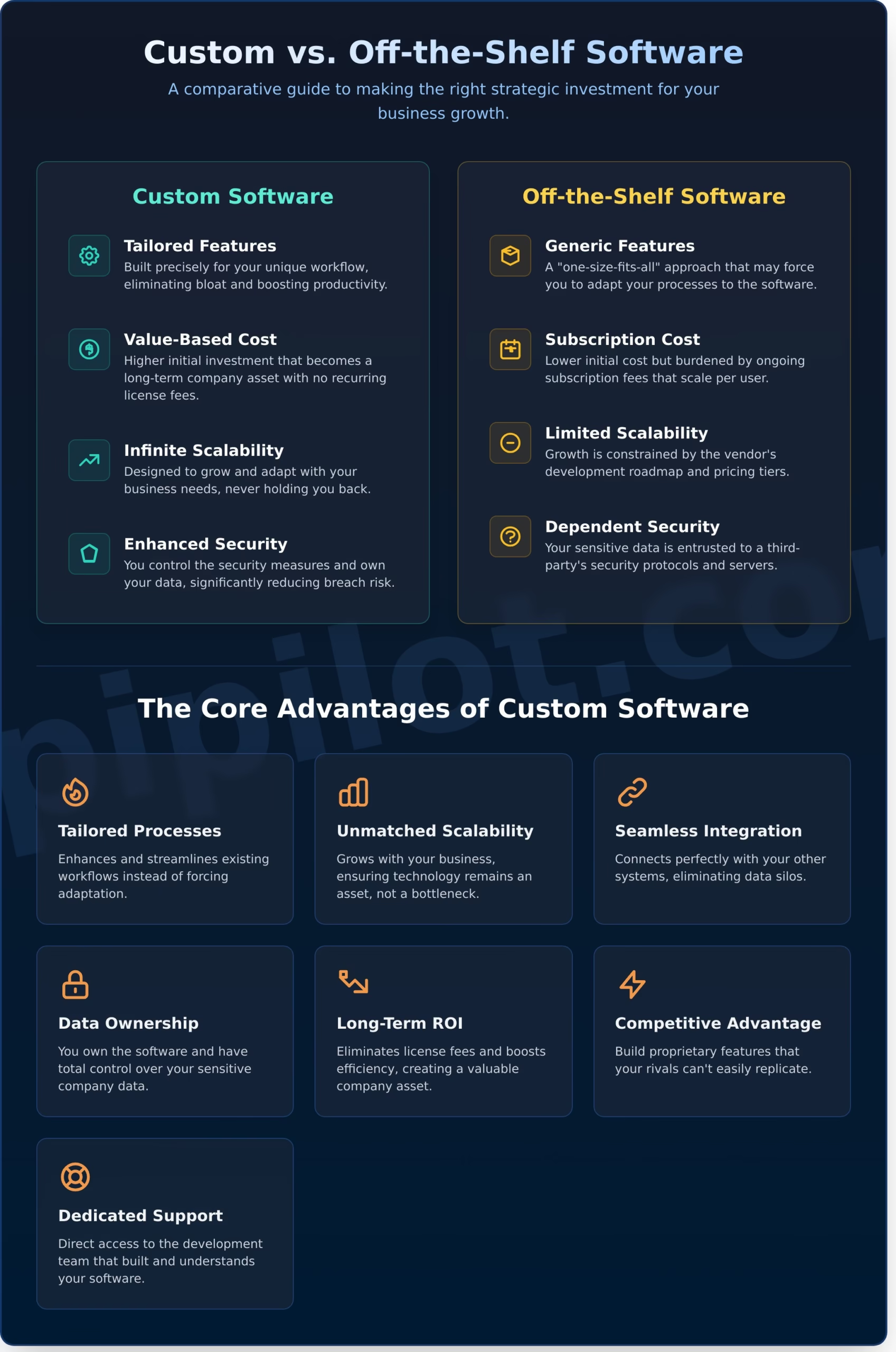
Here’s a simple breakdown of how they compare:
| Factor | Custom Software | Off-the-Shelf Software |
|---|---|---|
| Features | Tailored specifically to your needs; no unnecessary bloat. | Generic features designed for a mass market; may lack or include unused functions. |
| Cost Structure | Higher upfront investment, but lower long-term cost with no license fees. | Lower initial cost, but ongoing subscription or license fees per user. |
| Scalability | Built to grow and adapt with your business. | Limited by the vendor’s development roadmap and pricing tiers. |
| Implementation | Longer development and integration timeline. | Faster to deploy, but may require extensive configuration. |
The Core Advantages of Customized Software
While off-the-shelf solutions can be useful, businesses with unique challenges or ambitious growth plans often find that the long-term value of a tailored solution far outweighs the initial investment. Let’s explore the top reasons why market leaders choose to build their own software.
1. Tailored to Your Exact Business Processes
The most significant benefit of custom software is that it’s built around your workflow, not the other way around. Instead of forcing your team to adapt to the constraints of a generic tool, you get a solution that enhances and streamlines your existing processes. This eliminates unnecessary features that complicate use and leads to much higher employee adoption and day-to-day productivity.
2. Unmatched Scalability and Flexibility
Your business is not static, and your software shouldn’t be either. Custom software is designed to grow and adapt with you. As your operational needs evolve, new features can be added and existing ones modified without being limited by a third-party vendor’s feature roadmap or restrictive pricing tiers. This flexibility ensures your technology remains an asset, not a bottleneck, as you scale.
3. Seamless Integration with Existing Systems
Modern businesses rely on a complex ecosystem of tools. A major challenge with off-the-shelf products is getting them to communicate effectively. Custom software is built with your specific technology stack in mind, allowing it to connect perfectly with your other essential systems like CRMs, ERPs, and marketing automation platforms. This eliminates data silos, reduces manual data entry, and creates a unified, highly efficient digital infrastructure.
4. Enhanced Security and Data Ownership
When you use a third-party application, you’re entrusting your sensitive business and customer data to their security protocols. With custom software, you control the security measures completely. Your data isn’t stored on multi-tenant servers alongside other companies, significantly reducing the risk of external data breaches stemming from vendor vulnerabilities. You own the software and the data, giving you total control and peace of mind.
5. Better Long-Term Return on Investment (ROI)
While the initial cost of custom development is higher, the long-term financial benefits are substantial. You eliminate the recurring, per-user license fees that escalate as your team grows. More importantly, the massive gains in efficiency, productivity, and operational accuracy lead to significant cost savings over time. A custom application isn’t just an expense; it’s a valuable, long-term company asset that appreciates in value.
6. A Unique Competitive Advantage
Off-the-shelf software puts you on the same playing field as your competitors. Custom software allows you to build a unique advantage. You can develop proprietary features that your rivals can’t replicate, enabling you to offer a better, faster, or more efficient service to your customers. By directly controlling your technology, you can innovate and respond to market changes far more quickly.
7. Dedicated, Personalized Support
When a generic software tool fails, you’re left dealing with generic support tickets, long wait times, and a support team that doesn’t understand your business context. With a custom solution, you have direct access to the development team that built it. This results in faster, more effective troubleshooting, maintenance, and support, ensuring minimal disruption to your operations.
When is Custom Software the Right Choice for You?
Deciding to invest in custom software is a strategic move. This simple checklist can help you determine if it’s the right path for your business, moving the discussion from theory to practical application.
A Quick Decision-Making Checklist
- Do you have a unique business process or service that generic software simply can’t support?
- Are you struggling to make multiple off-the-shelf tools work together, leading to data inconsistencies and wasted time?
- Is scalability a primary concern for your future growth, and are you worried about outgrowing your current tools?
- Is the security and ownership of your company and customer data absolutely critical to your operations?
If you answered “yes” to one or more of these questions, custom software is likely a worthwhile investment.
Common Scenarios Where Custom Software Excels
- Building a custom CRM: When your sales cycle, customer relationships, or reporting needs are too specialized for a standard CRM.
- Developing an e-commerce platform: For businesses with unique product configurations, complex pricing rules, or a need for deep integration with inventory systems.
- Creating a mobile app: To solve a specific customer problem, improve engagement, or offer a unique service that sets your brand apart.
Build Your Competitive Edge with API Pilot
Choosing to build custom software is the first step. The next is finding the right development partner. At API Pilot, we don’t just build software; we engineer robust, scalable solutions that solve core business challenges and drive sustainable growth. Our process is designed to maximize your ROI and minimize risk, ensuring your project is delivered on time and on budget.
Our Expertise in Action
We are experts in turning complex requirements into powerful, intuitive applications. We deliver scalable mobile and web applications that engage users and deliver results. Our team creates robust e-commerce platforms and custom APIs designed for performance and reliability. From the initial concept to deployment and beyond, we partner with you every step of the way to ensure your vision becomes a reality. Schedule a free consultation to discuss your project.
Frequently Asked Questions
What is the main disadvantage of custom software?
The primary disadvantage is the higher initial investment in terms of time and cost compared to buying an off-the-shelf product. However, this is often offset by a superior long-term ROI due to the absence of recurring license fees and increased operational efficiency.
How much does custom software development cost?
The cost varies widely depending on the project’s complexity, the features required, and the technology stack used. A simple application might cost tens of thousands of dollars, while a large-scale enterprise system can run into the hundreds of thousands or more. A detailed consultation is needed to provide an accurate quote.
How long does it take to build a custom application?
Timelines depend on the project’s scope. A simple Minimum Viable Product (MVP) could be developed in 3-6 months, while a more complex enterprise application might take a year or longer. A phased development approach is often used to deliver value quickly.
Do I own the source code when I build custom software?
Yes. With a reputable development partner like API Pilot, you retain full ownership of the intellectual property and the source code for the software built for you. This is a key advantage over SaaS solutions, where you are only licensing the right to use the software.
Is custom software more secure than off-the-shelf options?
Generally, yes. Because it’s not a widely used product, it’s a less attractive target for hackers. Furthermore, you have complete control over the security architecture and can implement specific protocols and safeguards tailored to your business’s unique risks and compliance requirements.
If your business is ready to stop compromising with generic tools and start building a true competitive advantage, a custom software solution is the definitive answer. It’s an investment in efficiency, scalability, and the long-term success of your organization. Ready to build a solution that fits? Contact API Pilot today!